Nut Shells & Biomass Fuel
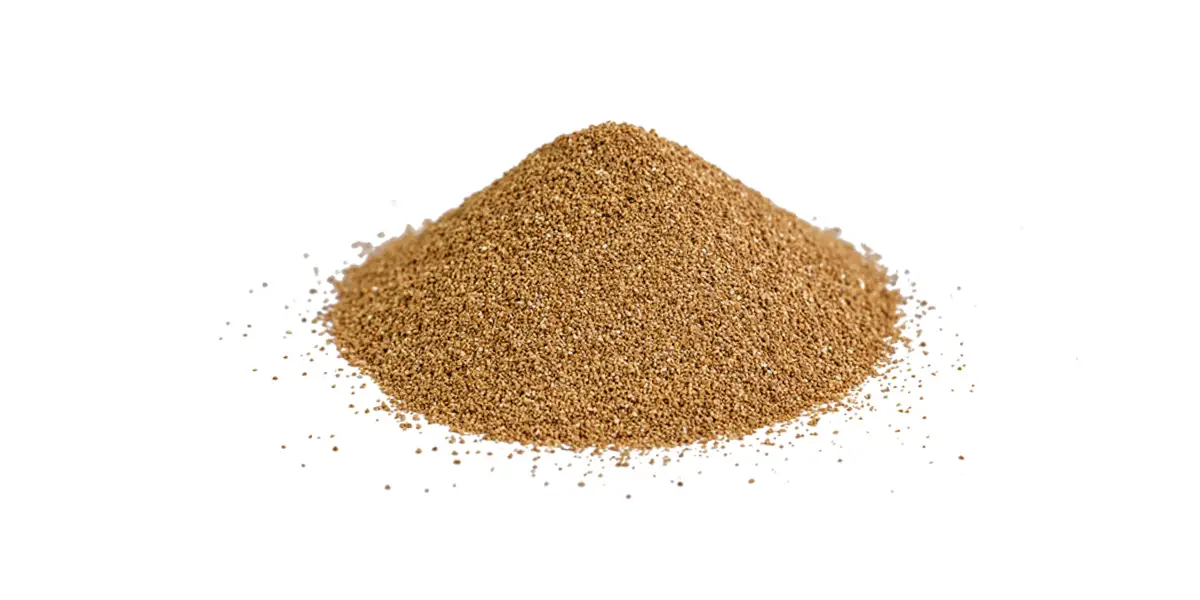
Walnut Shell
Hard and dense; preferred as industrial abrasive and filtration media.
Ton · Truck/Container Get a Quote →
Cosmetics & Personal Care
What you replace the microplastic bead with matters as much as whether the next batch gives the same texture. This page is built around those two questions from the formulator's side.

Cosmetics and personal-care buyers take two types of feedstock from us: shell-based granules (apricot, almond, walnut) that replace microplastic beads in peeling and polishing, and bitter apricot kernel that goes into cold-pressed cosmetic-oil production. What they share is a natural origin and calibre matched to the buyer's target texture. We ship by truck to domestic contract manufacturers and private-label producers, and by container abroad; for high-volume requests a sample step comes into play.
A cosmetics buyer usually comes to us not with a product name but with a problem: their formula has a plastic microbead in it and needs a natural abrasive in its place. Saying "shell granule" doesn't settle it — a facial peel and a hand-cleaning gel don't want the same granule, and a granule that sits fine in a cream base sinks to the bottom of a gel base. So we start the conversation not with a product name but with the target product and the desired texture. Calibre is matched from there; for high-volume requests, the decision is confirmed with a sample.
Our domestic buyer profile is broad: cosmetics companies building their own brand, contract manufacturers, soap and hand-care producers, natural-cosmetics workshops and cold-press oil facilities. Some run small-batch formulation trials, others want a steady flow for series production. Both are supplied from the same source — the difference is in delivery rhythm and packaging. We deliver within Türkiye by truck; the process runs shorter and more flexibly than export, and moving from sample to full-batch production is quick.
On the export side, cosmetic-feedstock buyers and distributors work by 20ft or 40ft HQ container on FOB/CIF terms; we ship export by the container. We are a supplier and exporter working close to the cracking and processing facilities where the shell and kernel separate. We source from origin, coordinate the stricter cleaning standard a cosmetic batch needs, and have packaging and paperwork prepared. We don't publish a price list — we quote once product, calibre, quantity and delivery point are clear.
What matters in this job
The real risk in cosmetics isn't the first batch, it's the third. The consumer expects the same feel from the same tube; if the granule comes out coarser in one shipment, the complaint lands on the formulator. For serious-volume or series-production requests, we put the calibre range in writing at the sample stage, and later batches are matched against that reference — "roughly the same" isn't accepted.
As regulation on plastic microbeads in rinse-off personal-care products tightens, reformulation has stopped being a task most manufacturers can put off. Shell-based granules, being natural and biodegradable, are among the most-tried alternatives in that transition. What your specific product category requires under the regulation is a legal question — we provide the feedstock-side knowledge, and on request we can also facilitate related documentation.
The same walnut shell can go to both blasting and a peeling product — but not the same batch. Cosmetic-purpose batches to a separate, stricter cleaning standard are available; dust and foreign-matter tolerance is far narrower than an industrial batch. State this up front on the request form — the cosmetic distinction is set at the start of the order, not after shipment.
Apricot-derived items come available during harvest and processing season; they're collected and stocked in-season and turned into steady year-round flow. If your launch timeline is set and volume will grow, say so up front — for large or long-term work we put the delivery schedule into the agreement.
Products
Products that fit this job sit across 3 different lines of ours; below you can see where each one is useful. Price depends on the product, quantity and delivery point — how pricing is set.
A harder, denser raw material that gives noticeable exfoliation once ground; it works in hand-cleaning products, soap and body scrubs where strong abrasion is wanted. Cosmetic-purpose batches to a different cleanliness standard than the batches going to filtration or blasting are available.
The form before it's ground into granule — formulators running their own grinding line, or having it contract-ground, take shell in this form. Sourced from Malatya, it gives a homogeneous texture when finely ground and is the starting point for cosmetic peeling feedstock.
This sector's main item: hard but friable, it exfoliates without scratching the surface, which is why it's used as a natural alternative to microplastic beads in face and body peels. Tell us whether it's going into a cream or gel base and calibre is matched accordingly.
Lower hardness than the other shell granules; preferred in gentle-peeling and soft-touch personal-care formulations aimed at sensitive skin. It's the first alternative considered when apricot granule reads too aggressive.
Not on the granule side but the oil side: supplied in calibrated batches to facilities producing cosmetic oil by cold press, and also used as an input in industrial processes. Not supplied for food and kept separate from the sweet kernel from harvest onward.
Selection guide
Tell us what you need; let's narrow it down together.
Tell us what we needFacial peel, body scrub, hand-cleaning gel or soap? That answer alone narrows hardness and calibre: almond for delicate-skin work, apricot for balanced exfoliation, walnut for strong abrasion. Base matters too — a cream and a gel don't hold the same granule in suspension the same way.
Descriptions like "softer," "more pronounced," "shouldn't settle in the hand" work better for sample selection than a numeric spec. If you have a reference product, name it. If you have a target mesh range, send that too — calibre is matched to buyer request.
Stating that it's for cosmetic use selects a batch to a stricter cleaning standard, separate from the industrial flow. This is confirmed with a per-batch sample on request. This distinction is also one of the factors affecting price — it's clarified at the quote stage.
We don't decide the use rate, the product safety assessment or the label claim — those are the cosmetics manufacturer's responsibility. Our job is getting the right calibre, right cleanliness and on-time feedstock to you.
FAQ
The most-chosen item is apricot kernel shell granule; hard but friable, it gives balanced exfoliation in face and body peels. For sensitive-skin products, almond shell granule stays gentler; for hand and body products wanting strong abrasion, ground walnut shell stands out. Tell us your target product and base type and we'll suggest the right fit; for high-volume requests a sample can be arranged across both options.
Yes. The same raw material can go to both blasting and cosmetics, but not the same batch: cosmetic-purpose batches to a stricter cleaning standard, with narrower dust and foreign-matter tolerance, are available. Stating the intended use on the order is what triggers this flow. This is confirmed with a per-batch sample on request.
We don't publish a fixed list, because calibre is matched to buyer request rather than sold as an off-the-shelf item. Send us your target range or reference product and a batch is matched accordingly; for high-volume requests it's confirmed with a sample. On request, a sample of the batch to be shipped is shared.
Because it's the feedstock for cosmetic-oil production: it's supplied in calibrated batches to cold-press facilities and also used as an input in industrial processes. We don't supply it for food, and it isn't mixed with the sweet kernel — the two are kept separate from harvest and processing onward. The intended use, cosmetic or industrial, is confirmed at the time of the request.
We consider sending evaluation samples for small-volume formulation trials too, for domestic and export buyers alike. If you want to compare two calibres in a trial, say so up front and we'll send both as options. When you move to series production, the approved sample is taken as the reference.
Yes, it runs shorter and more flexibly. We deliver by truck to contract manufacturers, private-label companies and oil facilities within Türkiye; there's more room on packaging and quantity. Export brings in a 20ft or 40ft HQ container, FOB/CIF terms and the paperwork flow. Both can go through the same sample-approval step on high-volume requests.
Get a quote
Tell us your job and delivery point (domestic or export); we'll clarify the right product and terms together.
This site uses essential cookies and — with your consent — analytics cookies. For details, see Cookie Policy.