Dried Food
Natural Dried Apricot
Sun-dried, sulphur-free; dark natural Malatya apricot.
Ton · Carton Get a Quote →
Food Industry & Wholesale
A muesli line, a nut mix, a supermarket shelf or a private-label pack — they all share the same concern: the product shouldn't change when the batch does. This page addresses that question.
Food manufacturers, supermarkets and chain retailers, private-label lines, snack and nut-mix producers, hotel and restaurant suppliers and dried-fruit importers take seven items from this page: sulphured and natural dried apricot, sweet apricot kernel, dried mulberry, hazelnut, walnut and Ağın roasted chickpea. What these buyers share isn't variety of product but consistency: calibre that fits the recipe, an appearance that meets shelf expectations, and an independent laboratory analysis we can arrange for the buyer on request, with the result coming directly from the lab. As a supplier and exporter working close to the source, we take each item from where it's processed and, on request, settle delivery terms with a sample.
A food-sector buyer isn't looking for a product, isn't looking for a problem. A muesli manufacturer buys apricot because it fits the moisture tolerance in the recipe; if the batch changes and the fruit turns pasty or the calibre shifts, the line stops. A nut-mix producer wants the visual in the pack to come out the same every time, because the consumer spots the difference at first glance. A retail chain cares about what will sit on the shelf: color that doesn't fade, packaging that fits its own label, supply that doesn't break mid-season. The same apricot goes to these three buyers for three different reasons — and none of them wants the same batch.
Türkiye's dried-apricot production is concentrated mainly around Malatya and its surroundings; dried mulberry is the same geography's second item, hazelnut comes from the Black Sea, and Ağın roasted chickpea from the Ağın district of Elazığ. We source these items from where they're processed and prepare calibre grouping and packaging to the buyer's request. Sourcing close to origin serves two things here: fewer intermediary layers keep the lead time realistic, and harvest and processing schedules get discussed as facts, not estimates. Because all seven items run through one contact, a buyer running a mix line doesn't have to manage a separate supplier for each item.
The business starts domestically. The difference between a buyer serving the Turkish market and an export buyer is usually rhythm, not product: domestic orders arrive at shorter intervals and in varying quantities, and we update the plan week by week. In export, one shipment covers a longer period, so the paperwork chain and lead time are set up front. Both enter through the same door: need is clarified first, a sample option is weighed for high-volume requests, then we quote. We don't publish a price list — a figure given before calibre, form, packaging, quantity and delivery point are known doesn't tell anyone anything.
What matters in this job
The most expensive surprise on the food side is the second batch not resembling the first. If your line is set to a specific calibre and moisture range, the point isn't that the product is good — it's that it's the same. Tell us the range you expect up front; the batch is matched to it, and what arrives matches what you saw in the sample.
Whether the product will spend its life on a shelf or on a production line directly shapes which item you should buy. Retail-shelf work prioritizes visual consistency and durability, while product going straight into a recipe puts color second. The choice between sulphured and natural apricot comes down to exactly this question.
For a food buyer, documentation isn't an add-on to the purchase — it's part of it. A retail chain's quality team and a customs inspector ask the same three questions: where did this batch come from, what values does it carry, who measured them. That's why paperwork isn't attached to the shipment afterward — it's built alongside the batch, and whichever set the destination channel needs is agreed up front.
A single good batch doesn't replace year-round supply. Chasing down a product after its harvest has passed isn't the same as reserving it in season; a buyer who doesn't plan ahead can end up in the second half of the year facing both a shrinking option list and a drifting calibre. That's why we want the first conversation to cover your rough annual need, not just one order.
Products
Products that fit this job sit across 1 different lines of ours; below you can see where each one is useful. Price depends on the product, quantity and delivery point — how pricing is set.
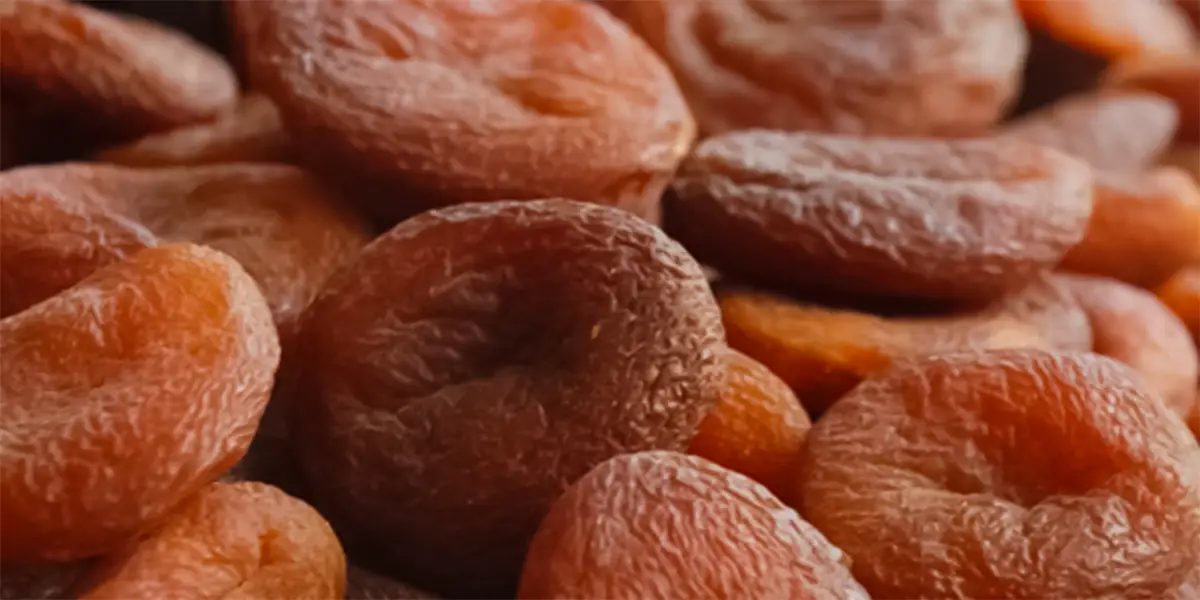
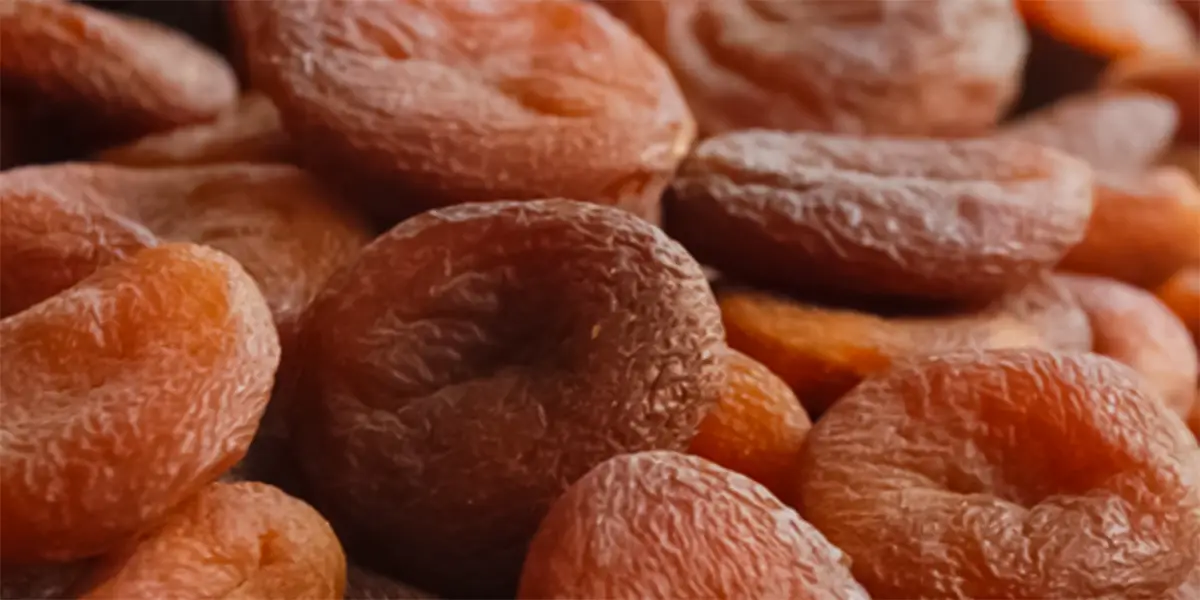
The item for additive-free, "clean-label" manufacturers and the natural-product shelf; sun-drying turns it a dark amber-brown, and that look is exactly the signal this segment looks for. It goes to buyers who don't want sulphur in muesli, granola and natural-snack recipes, in calibre-sorted batches.
The choice of retail shelves and recipes that want visual consistency; sulphuring slows oxidation, so the bright yellow-orange color holds, keeping the product shelf-ready for longer. SO2 level is kept within the target market's food-codex limits as far as possible; confirmed on request by arranging for the batch to be sent to an independent laboratory, with the result coming directly from the lab.
An edible kernel used as an almond substitute in chocolate, bakery and dessert recipes; considered for recipes under cost pressure as an alternative to almond. Supplied raw or roasted for snack lines, processed separately from the bitter kernel and packed separately.
A component in muesli, granola and bakery products for recipes wanting sweetness without added sugar; white mulberry is dried naturally, with no added sugar or preservative. Considered in bulk for nut-and-dried-fruit mix lines, or packaged for retail.
The main input for chocolate, hazelnut-paste and bakery manufacturers; supplied shelled or in-shell, roasted or raw, with broken-kernel ratio clarified to your recipe. Used as roasted kernel in packaged snack and mixed-nut lines.
Used as shelled walnut in bakery, dessert and chocolate-product recipes; these recipes usually want whole kernel or a low broken-kernel ratio, and tolerance is set to request. Prepared for nut-mix and retail-shelf use in shelled or in-shell form, with calibre options.
An item for the regional-specialty shelf and the gift channel; the district's roasting tradition gives it a characteristic aroma and crisp texture that sets it apart from standard roasted chickpea, giving it a story to tell on the shelf. Available salted or plain to request; also used as a regional component in mixed-nut packs.
Sun-dried, sulphur-free; dark natural Malatya apricot.
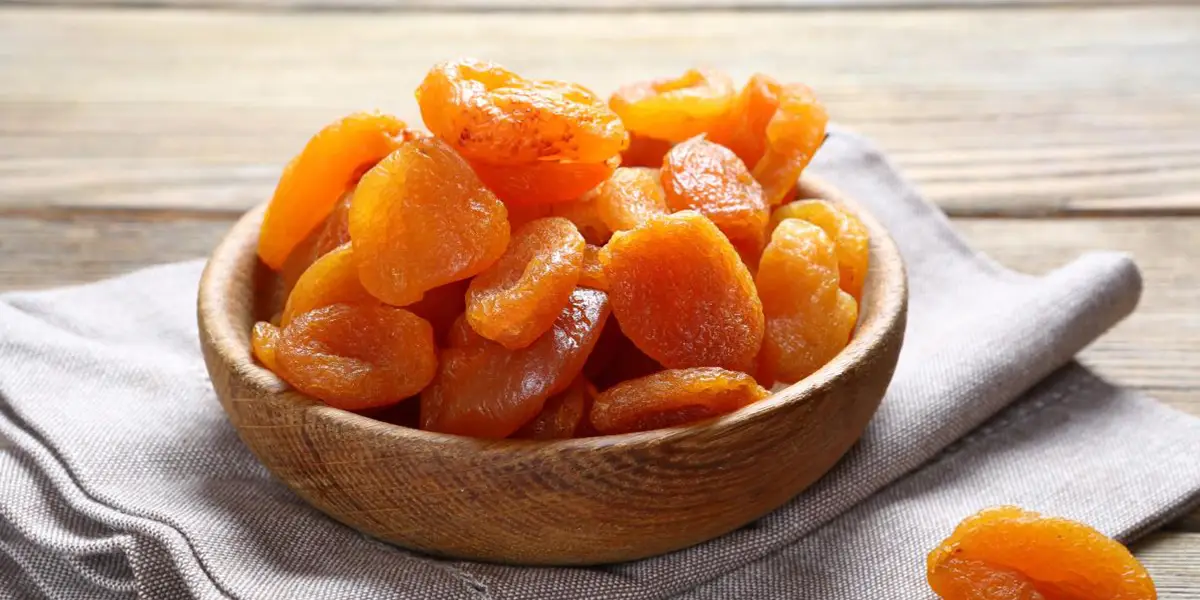
Bright yellow, size-graded; dried apricot for domestic and export.

Kernel meat; for food and snack industry.
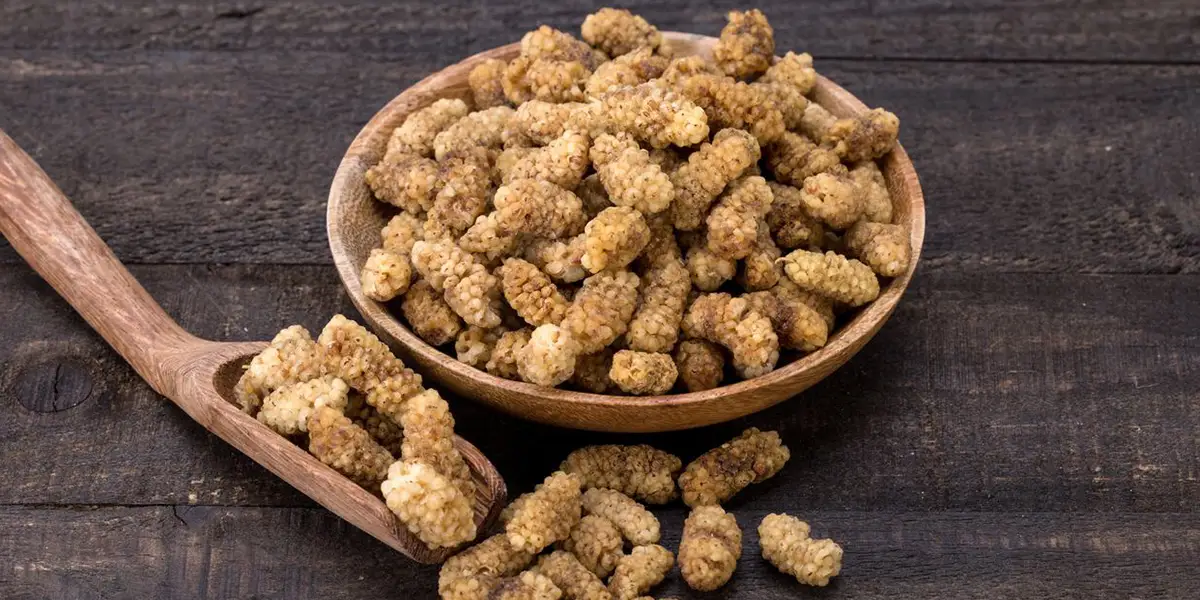
White dried mulberry; natural sweetness, wholesale and export packaging.
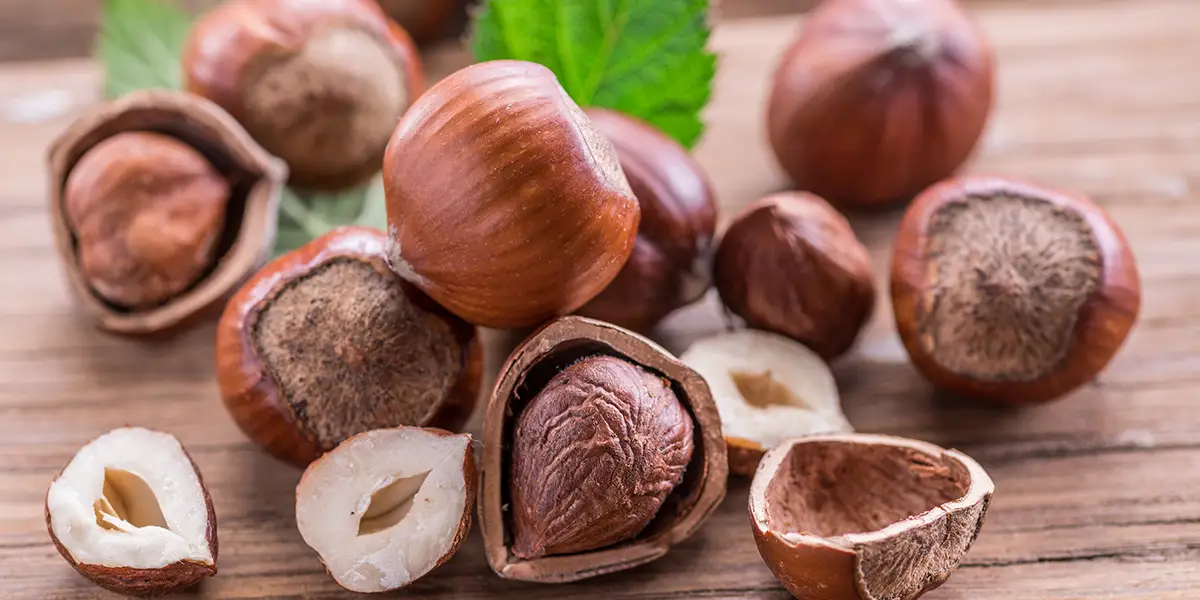
Shelled and in-shell hazelnut; for food industry.
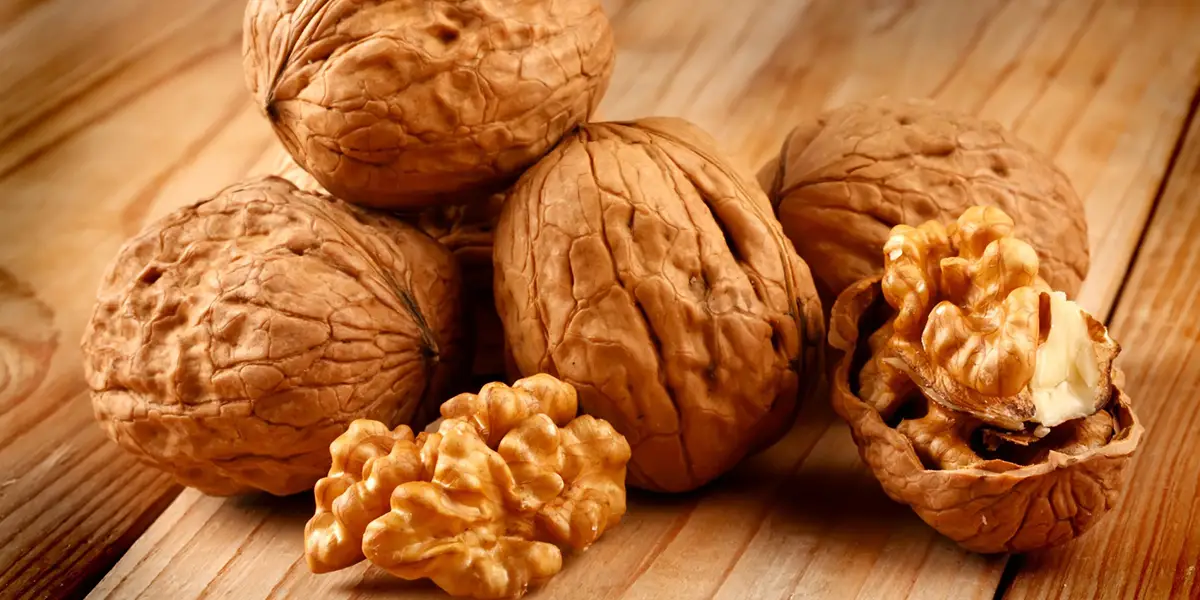
Shelled and in-shell walnut; with calibre options.
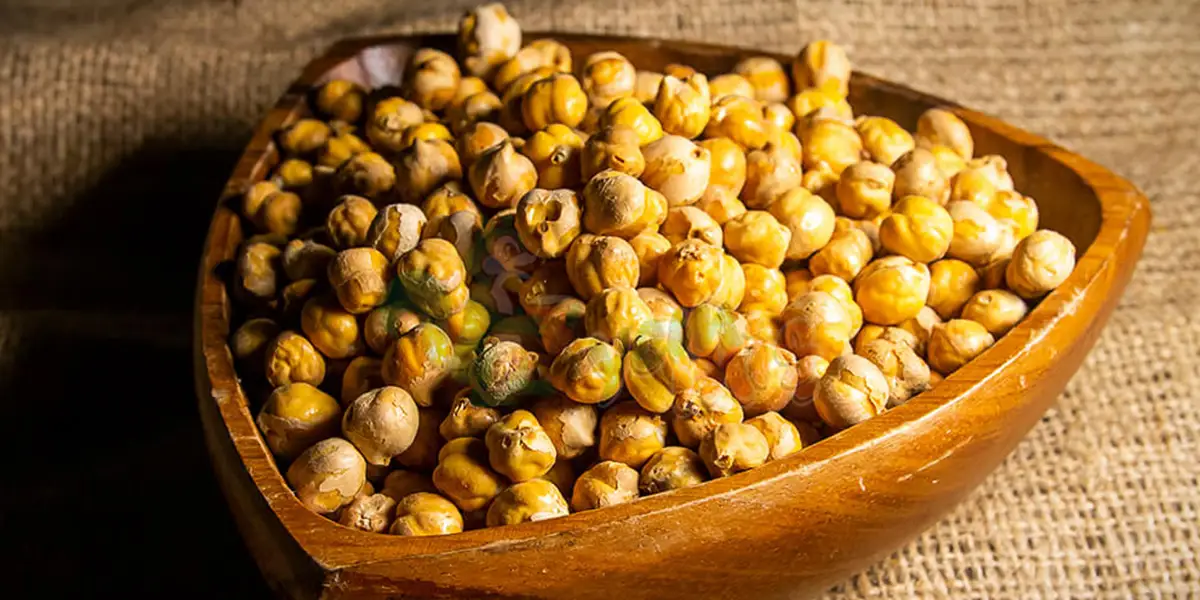
Roasted chickpea from Ağın, roasted using the region's traditional method.
Selection guide
Tell us what you need; let's narrow it down together.
Tell us what we needThe shortest route to the right batch runs through saying where the product is going: straight to consumption, into a mix line, or into a private-label pack? A muesli recipe and a gift shelf don't want the same apricot. Once the intended use is clear, calibre, form and packaging fall into place on their own.
For a product sitting on a shelf, mattering on visual consistency and selling to a broad audience, sulphured apricot does the job. If you're supplying an additive-free segment or a pack sold on a "clean-label" claim, natural sun-dried apricot is the right one. We supply both — the decision is your target market's, not ours.
When label, packaging type and pallet layout are discussed after the order, the timeline stretches. Share your carton, vacuum-pouch or (on eligible items) big-bag preference and labeling request at the first conversation; packaging and labeling are prepared at this stage for retail-chain and distributor requests.
Buyers running a mix line usually take apricot, mulberry and nuts at the same time. These items can be consolidated in one shipment: truck or lorry domestically, container for export. Each item comes in its own packaging with its own paperwork; quantity split is planned to your request.
FAQ
The most-used items on these lines are natural dried apricot, dried mulberry, sweet apricot kernel, hazelnut and walnut. Dried mulberry adds sweetness without added sugar, while the sweet kernel goes in as an almond substitute. Send us the calibre and moisture tolerance your recipe needs; the batch is graded accordingly, and confirmed with a sample on high-volume requests.
Yes. Packaging and labeling requests are met for retail chains and distributors; carton, vacuum-pouch or (on eligible items) big-bag options are considered. We have packaging and labeling prepared as the supplier, to your request. This item affects the timeline, so it needs to be discussed in the first conversation.
SO2, moisture and cleanliness figures vary batch to batch with harvest and drying, and can be confirmed together with a sample. We don't publish a fixed value list. For export, the destination country's codex requirements and the paperwork flow, including the certificate of origin, are coordinated before shipment.
Domestically we deliver to food factories, wholesalers, chain retailers and nut workshops by truck; the process is shorter and more flexible, with lighter paperwork. Export brings in a 20ft or 40ft HQ container, standard Incoterms such as FOB/CIF, and the documents the destination country requires. Both can go through the same sample-approval step on high-volume requests; domestic buyers aren't a channel that comes after export customers.
Dried fruit is a seasonal product; the harvest is collected and stocked, then turned into year-round shipments. If you share your rough annual volume and delivery rhythm up front, the schedule is planned accordingly and we work to hold your expected calibre batch to batch. The commitment is given against an agreed program, not an estimate.
Get a quote
Tell us your job and delivery point (domestic or export); we'll clarify the right product and terms together.
This site uses essential cookies and — with your consent — analytics cookies. For details, see Cookie Policy.