
Industrial Granules
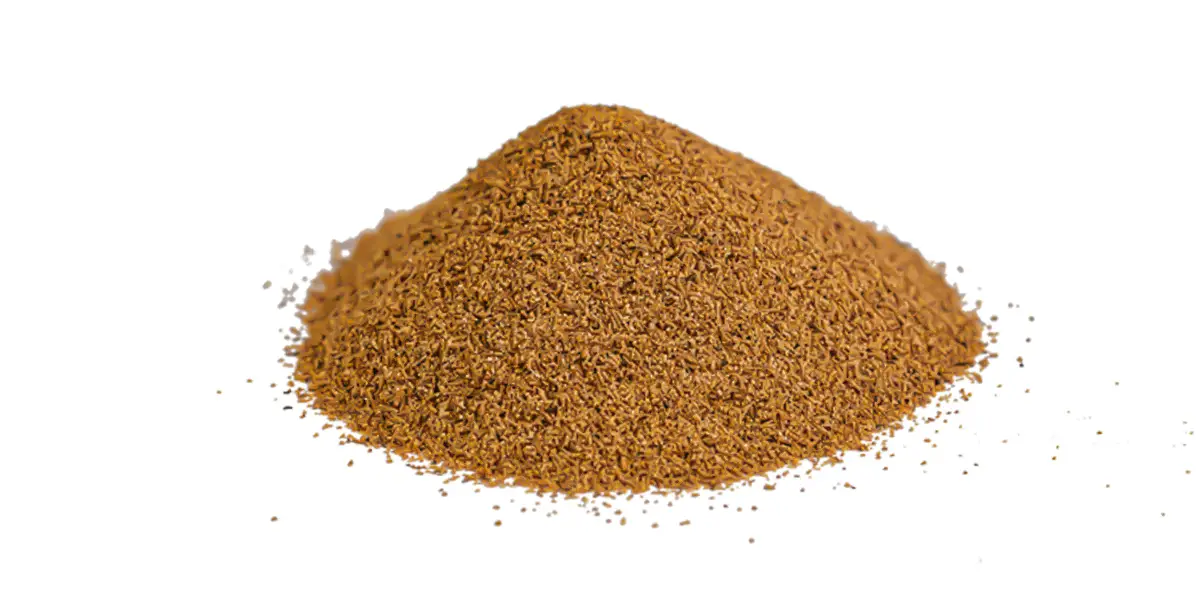
Walnut Shell Granule
Calibrated; for soft-metal blasting and surface cleaning.
Ton · Big-bag Get a Quote →
Calibrated Organic Abrasive
Seven different shell and cob granules — all available in defined calibre ranges, microplastic-free natural abrasives. Compare which one suits which job on this page.
An industrial granule is a natural abrasive made by grinding hard shell and cob to a defined calibre. In blasting, polishing, cosmetic peeling and filtration it replaces silica sand and plastic microbeads. Which granule is right depends on the hardness of the surface to be treated and how demanding the job is — there is no single “best” answer. Yelisan Group supplies these seven granules from Türkiye; the comparison table and selection guide help you find the one that fits.
Whether a granule is “good” cannot be judged on its own. The same walnut-shell granule is the right choice for cleaning an aluminum rim but falls short when stripping a thick coating off a ship’s hull. That is why this category is not one product but seven of differing hardness: almond and apricot shell at the softest end, walnut and hazelnut in the middle, peach kernel shell at the hardest end. Corn cob stands apart from these — not hard but absorbent.
What they share: all are silica-free, natural and biodegradable organic abrasives. Because they carry no crystalline-silica respiratory risk, they are preferred as an alternative to sand blasting at plants that care about operator health; and because they can be cycled several times through reclaim systems on blasting lines, their consumption cost is more predictable than single-use media. On the cosmetics side, the restriction of microplastic beads has brought apricot and almond shell granule onto the agenda of peeling formulations — the natural answer to the search for a plant-based, water-carried abrasive that leaves no persistent plastic behind.
On the sourcing side Türkiye is a favorable geography: hazelnut comes from the Black Sea, apricot kernel from Malatya and its surroundings, and walnut, almond, pistachio and peach kernel from the relevant processing regions. Shell separates from the edible product at cracking facilities; we coordinate the portion that becomes granule, have it prepared to the buyer’s requested calibre and readied for shipment. The center of gravity of this supply, which we have run for many years, is export: loading is planned by 20ft or 40ft HQ container. From the same line we also deliver by truck to domestic blasting plants and industrial operations. As a supplier and exporter working close to the source, we match the right batch to the right buyer.
Comparison
The matrix is a qualitative guide: the granules are positioned relative to one another; these are typical reference ranges, and an exact hardness/calibre/moisture figure per batch isn't committed to — this can also be confirmed with a sample.
| Product | Hardness | Character | Standout use | Cosmetic purity |
|---|---|---|---|---|
| Walnut Shell Granule | Medium-hard | Dense · versatile | Soft-metal blasting · mold maintenance | Industrial-focused |
| Apricot Shell Granule | Hard but friable | Abrades without scratching | Cosmetic peeling · fine polishing | Yes — tighter particle-size batch |
| Corn Cob Granule | Low | Absorbent · light · porous | Grain polishing · oil-moisture cleaning | Industrial-focused |
| Hazelnut Shell Granule | Hard | Durable · general-purpose | General blasting · filtration | Industrial-focused |
| Pistachio Shell Granule | Light-medium | Brittle · low density | Controlled surface work · decorative | Industrial-focused |
| Almond Shell Granule | Low | Gentle · low scratch risk | Cosmetic peeling · delicate cleaning | Yes — tighter particle-size batch |
| Peach Kernel Shell Granule | Highest | Aggressive · durable | Heavy blasting · activated carbon | Industrial-focused |
Industrial Granules
No prices shown — request a quote stating the product and delivery point.
Calibrated; for soft-metal blasting and surface cleaning.
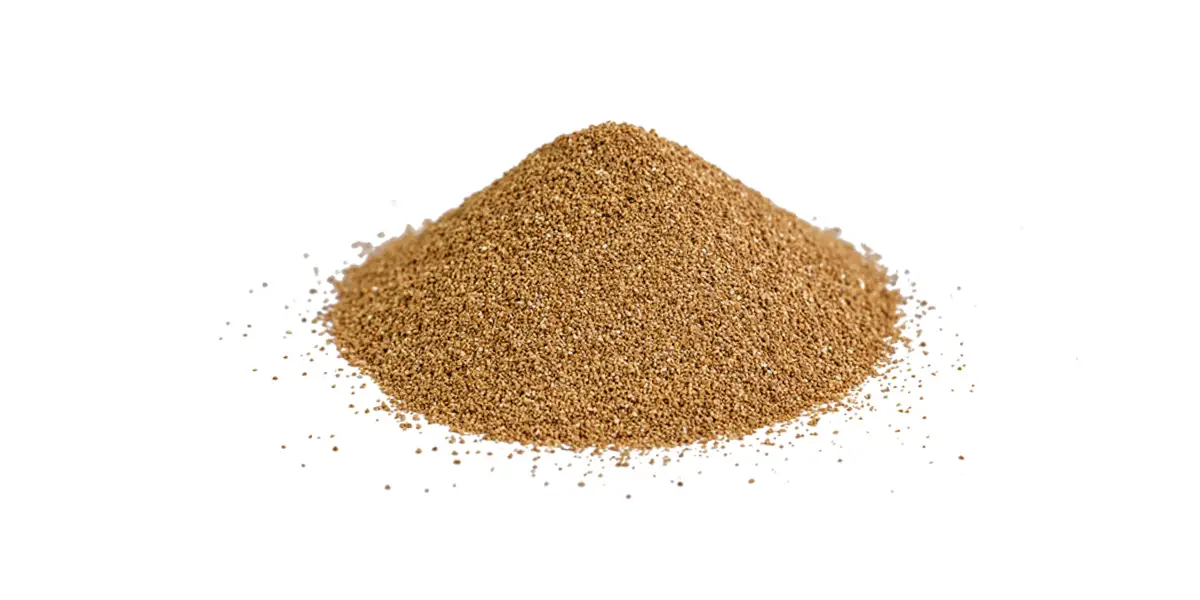
Microplastic-free alternative for cosmetic peeling and fine polishing.

Absorbent and abrasive; industrial cleaning and bedding applications.

Calibrated abrasive granule; for blasting and filtration.

Graded-hardness granule; surface-treatment applications.

Mild abrasive; for cosmetics and gentle cleaning.

High-hardness granule; heavy blasting and lapping.
Applications
Removing rust, soot, oil and coatings from metal, wood and composite surfaces; creating a key for paint adhesion. A graded range from gentle to aggressive granule is used according to the surface’s sensitivity.
In face and body peeling products, a natural, biodegradable abrasive ingredient in place of plastic microbeads. Apricot and almond shell granule is available in batches to a stricter particle-size and cleanliness standard.
In the finishing stage of metal and plastic parts, cleaning without dulling the surface, deburring and final treatment. Friable granules lower the risk of deformation on delicate alloys.
A natural, renewable filter medium in water and oil filtration systems; cleaning oil and grime residue from equipment, floors and machine parts. It forms an economical alternative to synthetic media.
In seed and grain processing lines, surface polishing and dedusting; bedding and filler applications that need absorbency. This area is largely the domain of corn cob granule.
Shell granules with high carbon content are used as an input in activated-carbon production processes. Calibre is matched to the process according to the buyer’s line specifications.
Who it’s for
As the buyer’s job changes, so does the right product. Start with whichever one describes you.
A granule set with separated hardness grades to cover different surface types from one supplier. If the same line handles both delicate aluminum and thick rust work, two different granules are needed — buying both from one place cuts stock and contact overhead.
A plant-based abrasive that can replace microplastic, at cosmetic purity and with consistent calibre from batch to batch. Formulation and dosage decisions rest with the manufacturer; we provide calibre, cleanliness level and traceable sourcing.
A natural material that absorbs oil/moisture or works as a filter medium without harming hard surfaces; being available in volume and on a regular basis is critical.
Batch supply that can be planned by the container; on request a certificate of origin is coordinated. Being able to combine several granules in one load consolidates freight cost.
Selection guide
The choice starts not with the granule but with the material to be treated: aluminum, brass, chrome plating and delicate alloys are served from the gentle end (almond, apricot); thick rust, industrial tanks and ship surfaces need the aggressive end (peach kernel). Walnut and hazelnut cover the wide middle band between the two.
If the job is abrasion, move along the hardness axis; if it is holding oil/moisture, polishing or bedding, corn cob granule sits on a separate axis — light, porous and absorbent. Confusing these two is the most common mistake: expecting blasting performance from an absorbent granule, or absorbency from a hard granule, gets you nowhere.
Batches that go into cosmetic formulations are held to a stricter cleaning standard, and their calibre range is far narrower than industrial batches. Stating the “cosmetic” or “industrial” distinction up front when you send your request ensures the right batch is selected and shipped.
Share your equipment pressure, the target surface result and, if any, the material you currently use; the calibre is set accordingly. For serious, high-volume requests, confirmation via sample is also considered.
FAQ
The surface to be treated decides. On delicate aluminum, brass and chrome-plated surfaces, apricot or almond shell granule; on general lines with mixed work, walnut or hazelnut shell granule; for thick rust and coating removal, peach kernel shell granule. Tell us your equipment pressure and the target surface result and we’ll suggest the right granule; for serious, high-volume requests we pin it down together via sample.
The restriction of microplastic use in cosmetics has pushed formulators toward plant-based abrasives; because apricot and almond shell granule is natural and biodegradable, it is among the leading raw materials filling that gap. The decision to substitute, and the dosage, belong to the cosmetics manufacturer’s formulation work — we provide the calibre and purity options and, on request, share a sample.
No. All of these granules are of natural shell and cob origin; unlike silica sand, they contain no crystalline silica in their structure, so respirable crystalline silica risk does not arise. This is the main reason plants that care about operator health turn to these granules when seeking an alternative to sand blasting. Even so, in-plant dust management and PPE practices are required — organic dust is still dust.
Because they change with the batch and the calibre selected; publishing a fixed table would be misleading. A figure sitting on the site may not match the sack that reaches you exactly — so we share typical reference values on request; an exact per-batch guarantee is not offered, together with a sample.
On blasting lines with a reclaim system, hard granules can be cycled several times; because the grain size shrinks with each pass, the dust fraction rises and, past a certain point, a fresh batch is needed. This cycle lowers consumption cost compared with single-use media.
Export is planned by 20ft or 40ft HQ container on FOB/CIF terms; the bulk of the business is here. Domestically we deliver by truck to blasting plants and industrial operations. On packaging there are sacks, big-bags and, for suitable lines, a bulk option. Just send the quantity and delivery point — we don’t publish a price list; the quote is settled after terms are agreed, and for serious, high-volume requests it can also be confirmed via sample.
Get a quote
Tell us the product, quantity and delivery point (domestic or export); we’ll get back with price and terms.
This site uses essential cookies and — with your consent — analytics cookies. For details, see Cookie Policy.