Nut Shells & Biomass Fuel
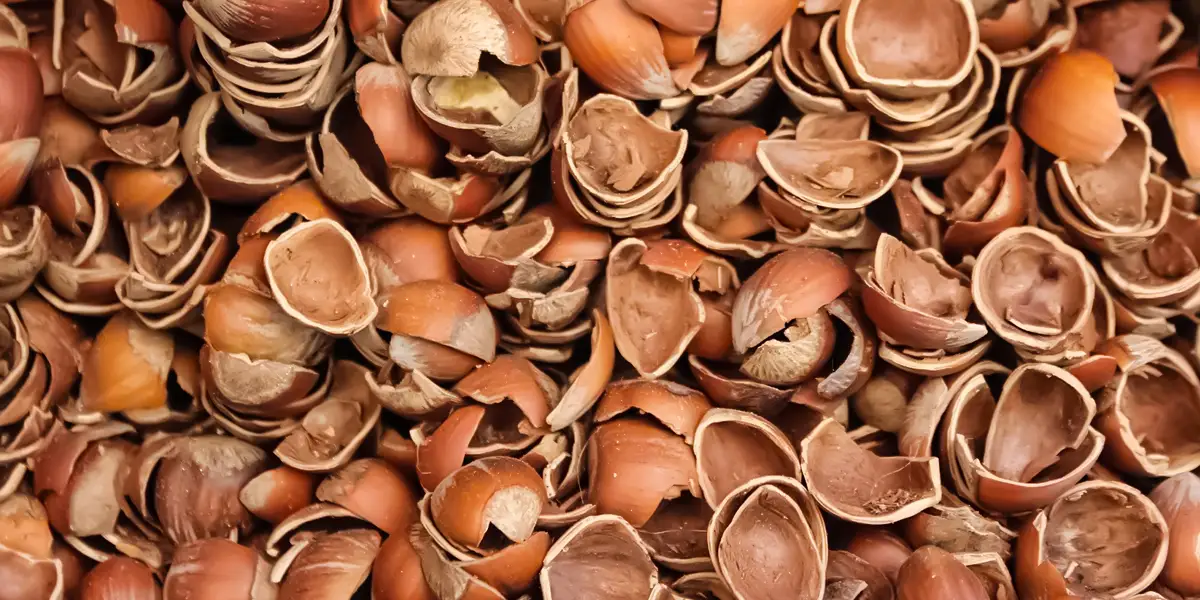
Hazelnut Shell
High-calorie biomass fuel and blasting abrasive; wholesale for domestic and export.
Ton · Truck/Container Get a Quote →
Power, Boilers & Heating
As coal and natural-gas bills climb, boiler rooms turn to biomass. Here we explain which shell or pellet fits your combustion system, and how we keep supply running without interruption.

Boiler operators, biomass power plants, greenhouses and district-heating facilities buy two groups of fuel from us: whole or cracked hard shell (hazelnut, walnut, apricot kernel, almond, pistachio, peach kernel, sour cherry pit) and processed fuel (dried bulk/cracked olive pomace, pressed pine pellets, carbonized hazelnut-shell charcoal). The reasons buyers choose it come down to three: cost against coal and natural gas, a domestic and renewable source, and steady supply from an agricultural by-product. Calorific value, moisture and ash figures are typical reference ranges; an exact per-batch guarantee is not offered.
In this sector the purchase decision is set by how the boiler behaves, not by the fuel's name. A continuously running steam boiler and a greenhouse boiler lit in the morning and out by evening don't want the same fuel; nor does an auto-fed stoker take the same form as a hand-fed system. Dense shells hold embers longer and carry the load steadily; lighter ones ignite fast and raise the fire quickly. Pellets stand out where a homogeneous diameter and length keep the feed line running without clogging.
The second decisive factor is that moisture doesn't swing from batch to batch. What really wears a boiler down isn't a low calorific value but a calorific value that shifts from the previous batch: the air setting stops holding, efficiency drops, and the operator keeps having to intervene. That is why we talk about a repeatable batch from the same source rather than a one-off cheap lot. On request, a sample of the batch we ship is available, so the fuel that reaches the boiler matches what you evaluated.
We source the product close to where it is processed. We take shell from cracking facilities, pellets from pressing plants, and charcoal from suppliers who carbonize it; we coordinate grinding, sizing, drying and packaging to match the intended use. Domestically we deliver to factories, power plants, greenhouses and district-heating facilities by truck — the process is short, flexible and usually runs from stock. For export, 20ft or 40ft HQ containers, FOB/CIF terms and the paperwork flow come into play; we ship by the container. We don't publish a price list — once the product, quantity and delivery point are clear, we quote.
What matters in this job
The day the boiler stops, production stops; so the real question isn't price, it's whether the same fuel will still be there in February. Hazelnut shell is the most stable source year-round; seasonal items like apricot kernel shell are stocked after harvest and spread across the year. For long-term or high-volume work we write the delivery schedule into the agreement and don't leave it for negotiation at shipping time.
Fuel with swinging moisture hits a boiler in two places: efficiency drops, maintenance gets more frequent. That's why buyers ask less about the batch itself and more about the difference between batches. We keep the source fixed and coordinate drying and storage with that in mind; moisture and calorific value are typical reference ranges and vary by batch, and this can be confirmed with a sample.
Biomass's case is made on the invoice line before the environmental one. The comparison isn't made on price per kilo but on heat delivered by the boiler; ash and maintenance load belong in that same calculation. Knowing your boiler type and current fuel makes it far more useful to talk about what a given fuel will actually deliver for you than to trade in general claims.
Auto-fed systems want a homogeneous diameter and length; hand-fed boilers tolerate a coarser form. Whole, cracked, ground or pressed pellet — which one depends on the boiler's feed line. Tell us the system type up front and we'll suggest the right form; calibre is matched to request.
Products
Products that fit this job sit across 1 different lines of ours; below you can see where each one is useful. Price depends on the product, quantity and delivery point — how pricing is set.
The best-known and easiest-to-find item in this sector: a stable source year-round, widely used in boilers and power plants as a coal alternative. Facilities looking to set up regular truck traffic usually start here.
Its dense structure delivers long, steady combustion, which is why it's preferred in continuously running boilers. The item for operations that don't want frequent re-firing and value a steady load.
High lignin content gives long ember life; being a by-product of apricot processing around Malatya, it's stocked after harvest and spread across the year. For high-volume fuel purchases, planning the delivery schedule ahead of time is necessary.
Light and fibrous, it ignites fast — an economical choice for small boilers, stoves and systems that need to raise a fire quickly. In large boilers carrying a steady load it's considered alongside denser shells rather than on its own.
A medium-density item that burns well at low moisture; it offers a balanced middle ground as boiler and stove fuel. Being sourced from the southeast, it's also logistically close to facilities in that region.
One of the densest structures among hard shells; that density translates into long, steady combustion in the boiler. A strong candidate for continuous systems that need to hold the fire at the same level for long stretches.
Dry and clean, it's also considered on the fuel side as a by-product; its smooth, uniform size supports steady feeding. Its main use is heat-pad filling, so fuel-grade volumes are limited — we discuss it on request.
The cost-focused item for industrial boilers: a dried, bulk/cracked solid fuel from olive pomace with supply running year-round. Common in the steam boilers of textile and food factories, greenhouses and district-heating plants; often more economical than wood pellets.
A standard wood pellet with low ash content and a homogeneous diameter/length that doesn't strain the feed line. Preferred for home heating, pellet stoves/boilers, and greenhouses and hotels that don't want to clean the boiler often.
It has two places in this sector: long-ember charcoal in restaurant and kebab-house kitchens, and solid fuel in ovens and small boilers. Busy kitchens choose it because it cuts down on frequent reloading and produces low smoke and sparking.
In this sector it doesn't work alone — it earns its place after being pressed: being a legume husk, it's light and bulky, and turning it into pellets removes the feeding and storage problem. We suggest facilities considering burning the raw husk discuss the feeding setup beforehand; since it's shipped bulk only, unloading capability is also part of the plan.
High-calorie biomass fuel and blasting abrasive; wholesale for domestic and export.

Hard and dense; preferred as industrial abrasive and filtration media.

Malatya origin; high-lignin biomass and cosmetic peeling raw material.

Light, fibrous shell for biomass fuel and animal bedding.

Decorative and fuel-grade; low moisture, ready for wholesale shipment.

High hardness; blasting abrasive and activated-carbon feedstock.

For heat-pad filling and light abrasive use; whole or cracked, as requested.

Economical biomass solid fuel from olive pomace.
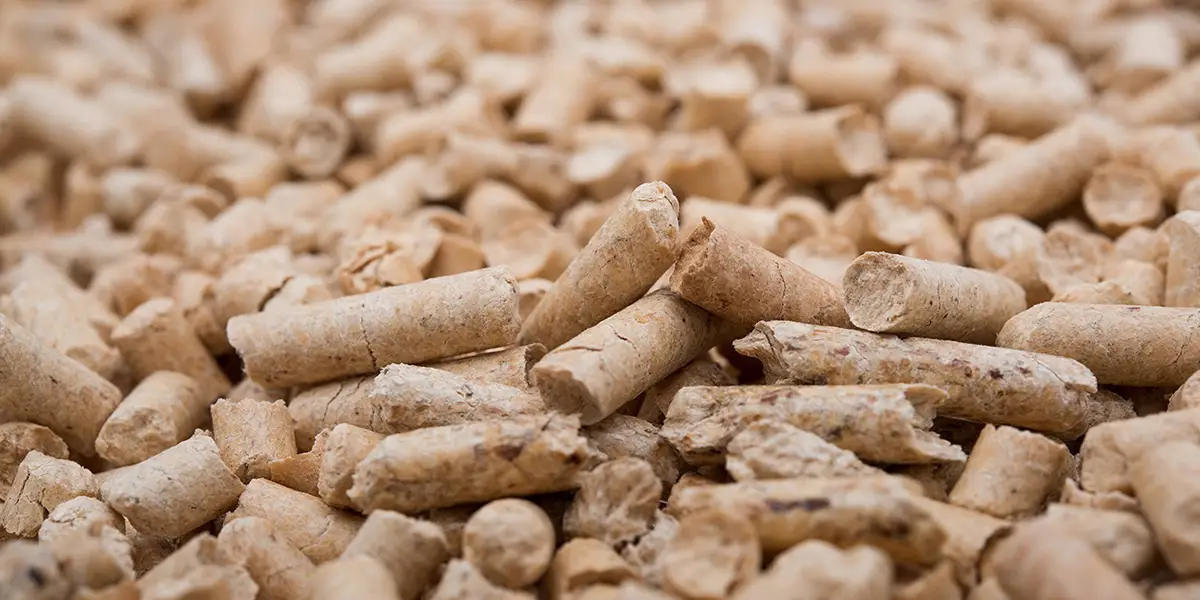
Low ash, high calorie; standard wood pellet for boilers and stoves.

Briquettes pressed from hazelnut shell; long-lasting embers, low smoke.

A light, fibrous legume husk; fuel as pressed pellet, bedding in natural form — bulk only.
Selection guide
Tell us what you need; let's narrow it down together.
Tell us what we needDoes it run continuously or seasonally? Auto-fed or hand-fed? Steam or hot water? These three answers usually narrow the fuel list to two items. Tell us your boiler type and current fuel and we'll give a direct suggestion instead of walking you through a catalog.
Dense items like walnut, peach kernel and hazelnut shell hold embers longer; almond shell ignites fast. If auto-feed needs homogeneity, pellets are the answer; systems that tolerate a coarser form get better value from shell. Some buyers use both at the same facility in different seasons.
Fuel cost isn't the only line item; ash cleanup and boiler maintenance also go on the operating bill. In homes and greenhouses that don't want frequent cleaning, low-ash pine pellet stands out; in high-volume industrial boilers, cost-focused olive pomace does. Ash and moisture values are typical reference ranges; an exact per-batch guarantee is not offered.
On high-volume jobs, agreeing on the batch's specifications up front reduces the risk of a later dispute. On request, a sample can be sent; the final batch is sourced as close as possible to the agreed specifications. The same step can be considered for serious, high-volume domestic and export orders alike.
FAQ
For continuously running boilers that need long ember life, dense items such as walnut, peach kernel and hazelnut shell stand out. Auto-fed systems do better with pine pellets thanks to their homogeneous diameter/length; stoker-type boilers often go with cost-focused olive pomace; small systems that need to raise a fire fast find almond shell economical. Tell us your boiler type, feed method and delivery point and we'll suggest the right form.
We don't publish a fixed list, because these values change from batch to batch with the source, harvest and drying — and a published table not matching the fuel that arrives is this sector's best-known complaint. On request we send a sample of the batch to be shipped; if a sample has been approved, the final batch is sourced as close as possible to that sample's specification.
The advantage varies by facility; the comparison shouldn't be made per kilo but on the heat actually delivered by the boiler, with ash and maintenance load included. Biomass's strength is being a domestic, renewable source with steady supply from an agricultural by-product. Tell us your current fuel and boiler type and we'll talk about your specific case instead of general claims.
For items like hazelnut shell and olive pomace, supply runs year-round. Seasonal products such as apricot kernel shell are collected and stocked at harvest and spread across the year. Because demand concentrates during the heating season, we recommend high-volume facilities plan their batch ahead of the season; the delivery schedule is set in the agreement from the start.
Domestically we deliver to factories, power plants, greenhouses and district-heating facilities by truck; the process is short and flexible, usually running from stock. Export brings in 20ft or 40ft HQ containers, standard Incoterms such as FOB/CIF, and a paperwork flow including the certificate of origin. Both can go through the same sample-approval step on serious, high-volume requests.
Yes. Combining shell and pellets in one shipment is common among facilities with different boilers and among export buyers optimizing container capacity. Each item comes in its own packaging with its own paperwork; we plan the quantity split around your request.
Get a quote
Tell us your job and delivery point (domestic or export); we'll clarify the right product and terms together.
This site uses essential cookies and — with your consent — analytics cookies. For details, see Cookie Policy.