Sulphured or Natural? A Difference Guide for Dried Apricot Buyers
The color, processing and market differences between sulphured and natural dried apricot; what wholesale and export buyers should know.
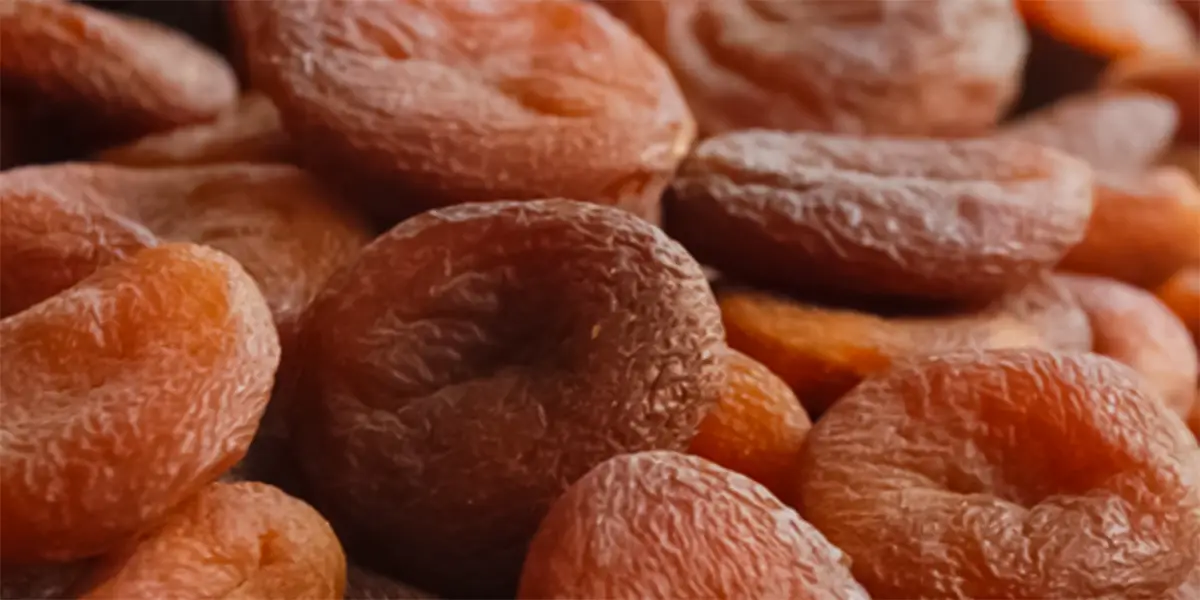
The first question a buyer faces when placing a dried-apricot order usually comes down to color: do you want bright yellow, or dark amber? This visual difference is actually the result of two separate processing methods, and each has its own market and quality criteria. Reading this distinction correctly is the first step to matching the right product to the right market — whether you’re a wholesale buyer or an importer preparing an export order.
Natural Dried Apricot: Sun-Dried, Dark Color
Natural Dried Apricot is obtained by drying Malatya apricot in the sun, without any sulphur treatment. As the fruit loses water under the sun, the sugar inside it caramelizes, giving the apricot its characteristic dark amber-brown tone. This color change isn’t a quality flaw — it’s the natural result of the process; the dark color is actually visual proof the product hasn’t been treated.
This form sees demand especially in market segments looking for a “natural,” “additive-free,” “sulphite-free” label. Organic-food shelves, health-focused retail chains and some export markets require the natural product outright; this preference often comes from country-specific consumer habits or the retailer’s own product policy. Natural apricot’s shelf life is generally considered shorter than its sulphured counterpart, so storage and shipping schedules need to be set accordingly.
Sulphured Dried Apricot: Color Preservation and Longer Shelf Life
Sulphured Dried Apricot goes through a sulphur dioxide (SO2) treatment before or during drying. This process slows enzymatic browning in the fruit and preserves the apricot’s bright yellow-orange color. The result is the vividly colored dried apricot familiar from retail shelves. Sulphuring also suppresses microbial activity, extending the product’s shelf life — a practical advantage for long-distance export shipments and long-term storage.
Sulphured apricot makes up the bulk of demand from retail chains and wholesalers domestically, and is accepted as the standard product in many export markets, particularly Europe and the Middle East. Food-industry customers looking for color consistency (such as compote, dessert and snack production) also prefer this form, because batch-to-batch color drift is lower.
Which Market Wants Which
While the split between the two forms isn’t a hard rule, there are common tendencies on the buyer side:
- Export, natural-product segment: Some European countries and organic/natural-food channels specifically request natural apricot; these requests usually state “sulphite-free” or “sulfur-free” explicitly on the order form.
- Export, general wholesale segment: Sulphured apricot appeals to a wider buyer base with expectations of standard color and longer shelf life.
- Domestic, retail and wholesale: Because consumer habit in Türkiye leans heavily toward bright yellow, sulphured apricot stands out by volume; demand for the natural product concentrates in natural/organic sections and specific customer segments.
The question to settle before ordering, as a buyer, is this: does your target market’s consumer expectation center on color, or on a “natural process” claim? The answer largely determines the form.
Calibre and Size Grade
Alongside the color difference, calibre (size grade) also affects the order decision. Dried apricot is graded by fruit size into shrinking size groups starting with Jumbo (largest), then No.1, No.2, No.3, No.4. Larger sizes (Jumbo and above) are generally preferred for retail shelves and gift packaging, while smaller sizes are preferred for the food industry (slicing, purée, compote) or mixed packaging.
Stating whether you want a single calibre or a mixed-calibre batch when ordering matters for both pricing and packaging planning. In export orders, calibre information is usually listed as a separate line item on the proforma invoice; this clarity also lowers the risk of a post-shipment dispute.
Packaging and Shipment
Both dried-apricot forms are prepared in food-grade cartons, or alternative packaging on request; the standard packaging range is generally 5–10 kg cartons, though other options are available for retail packaging and high-volume wholesale purchases. Bulk truck shipment is common for domestic orders; on the export side, container-based loading and FOB/CIF delivery terms are set around the buyer’s destination port.
Food Safety: SO2 and the Analysis Report
SO2 use in sulphured dried apricot is a frequently asked food-safety topic. What’s clear here: SO2 use is a practice defined in the food codex, and the permitted level for each batch is set by regulation. A serious supplier doesn’t leave which batch is at which SO2 level to guesswork — it’s shown via the analysis report on request. Likewise, since moisture content can also vary batch to batch, looking at the analysis report rather than a fixed figure is always the more reliable route for the buyer.
For natural apricot, whether the “sulphite-free” claim genuinely holds is also something that can be confirmed via the analysis report. A buyer requesting these documents before ordering should be standard practice in both domestic and export transactions.
A Selection Guide for Buyers
Clarifying three questions before ordering makes choosing the right form easier:
- Is your target market looking for color, or a natural-process claim? The answer sets the sulphured/natural choice.
- How long is your shelf life and storage period? The sulphured form offers a practical advantage on long-distance shipping and long-term storage.
- Which calibre do you need? Whether it’s a retail-shelf product, an industrial input, or a mixed batch directly affects packaging and pricing.
For buyers preparing an order alongside dried apricot, Dried Mulberry can also be added to the supply list as an additive-free, calibre-gradable option following a similar natural-drying logic.
Let’s assess together which form suits your market and shipping schedule; write to us for your sample and analysis-report request.
