Nut Shells & Biomass Fuel
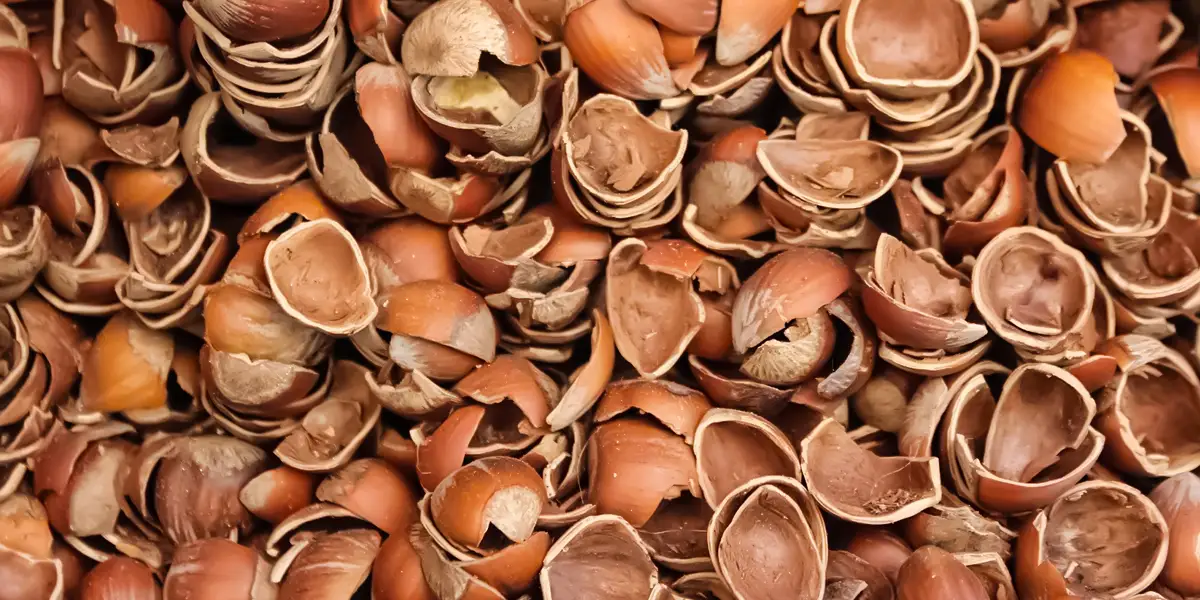
Hazelnut Shell
High-calorie biomass fuel and blasting abrasive; wholesale for domestic and export.
Ton · Truck/Container Get a Quote →
Blasting & Surface Finishing
What a blasting operator needs isn't a product family — it's cleaning a surface without damaging it, managing dust safely, and getting the same result batch after batch. This page lines up shell and granule against those three needs.
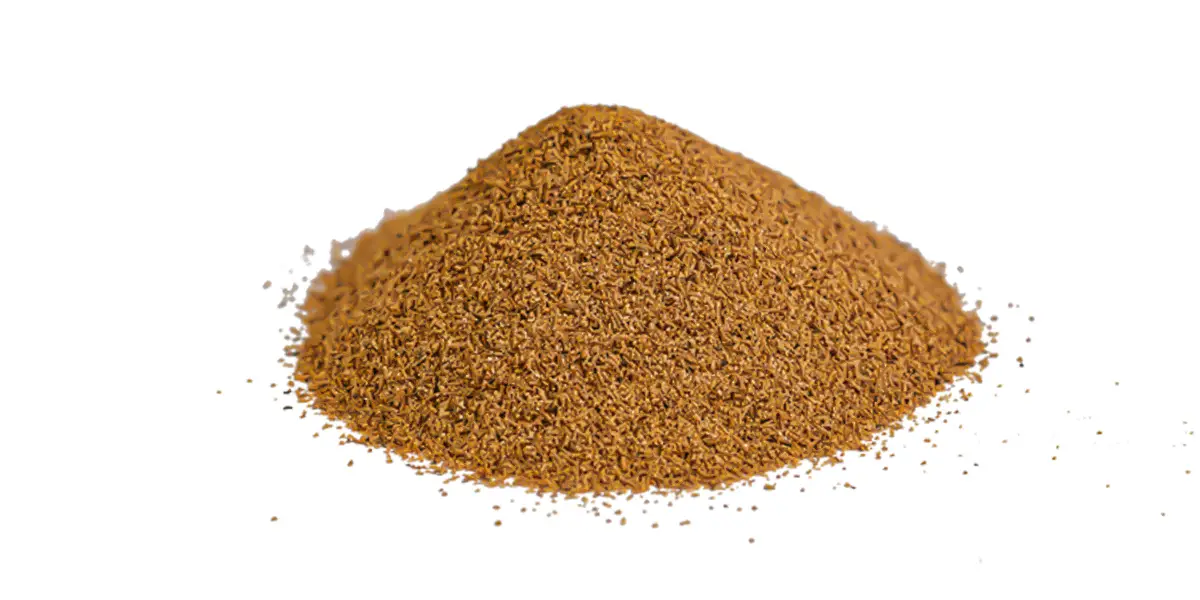
Blasting workshops, shipyards and surface-finishing plants buy two groups of product from us. Operations doing heavy stripping with their own grinding line take whole or cracked hard shell. Jobs that need calibre precision prefer shell granule that's already ground to a defined calibre. The common reason: shell-based abrasive contains no crystalline silica — the cause of silicosis — and cleans metal without deforming it. We supply domestically to workshops, shipyards and industrial plants by truck, and for export by 20ft or 40ft HQ container.
In this sector, abrasive choice starts with the surface, not the material name. Stripping thick coating off a ship's hull and removing oxide from an aluminum rim are not the same job and don't call for the same grain. Heavy stripping wants an aggressive, durable grain; delicate surfaces want a grain that breaks on impact and removes the dirt, not the metal. That's exactly why the shell family sits on one page: the hardness ranking runs from peach kernel down to sour cherry pit, and once you tell us the job, we suggest a place on that scale.
The second distinction comes from form. Operations with their own grinding line take whole or cracked shell as raw input and keep calibre control on their own line — that makes sense for high-volume, regular consumers. Workshops without such a line feed ready-made granule directly into the machine. Shell abrasive containing no crystalline silica — the cause of silicosis risk — is the main reason it's preferred over sand in this sector, but that doesn't mean dust-free work: organic dust is still dust, and workplace ventilation and respiratory protection are standard practice regardless. Its natural, biodegradable structure also gives an easier picture on the waste side compared with silica sand.
We are a supplier and exporter working close to the source. We take shell from the cracking and processing facilities where it separates, coordinate grinding and calibre selection to the intended use, and have packaging and paperwork prepared. We deliver domestically to blasting workshops, shipyards and surface-finishing plants by truck; for export we load by container on FOB/CIF terms. We don't publish a price list — we quote once surface, volume and delivery point are clear.
What matters in this job
The line in this job isn't where cleaning stops — it's where the surface starts to be damaged. Steel grit and silica sand are fast on stubborn dirt but easily bury and warp aluminum, brass, composite and painted surfaces. A shell-based grain breaks on impact; the energy goes into the dirt, not the metal. In restoration and mold maintenance, that difference is what separates saving the job from scrapping the part.
Crystalline silica causes silicosis when inhaled; shell abrasives contain none, and that's the concrete reason this sector has moved away from sand. We say this as fact, not as a miracle claim: every blasting dust is a respiratory load. Cabin ventilation, dust collection and proper respiratory protection are standard practice when working with shell too. A supplier who isn't straight with you on this won't be straight with you on calibre either.
The real cost in a workshop isn't the material itself — it's a job that's gone off-spec. If the result changes with pressure and distance held constant, the batch is usually the culprit: grain distribution has shifted, or dust content has risen. For high-volume work, sample approval isn't a formality with us — it's the reference for the batch to be shipped. Calibre is matched to request; shipment is sourced as close as possible to the approved sample.
Organic abrasive works by breaking down; a portion turns to dust with each cycle. On lines with a reclaim system, the grain cycles several times and a fresh batch is needed as dust content rises — the calculation runs on cycle count, not a single-bag price. Its natural, biodegradable structure also makes disposal of used abrasive easier. Telling us up front whether your line has reclaim directly shapes which hardness we suggest.
Products
Products that fit this job sit across 2 different lines of ours; below you can see where each one is useful. Price depends on the product, quantity and delivery point — how pricing is set.
The easiest-to-find raw input in this sector: Black Sea sourcing keeps it abundant year-round, so it's the first stop for workshops with their own grinding line that want to keep calibre in-house. Sitting at medium hardness, it works safely in shipyard and soft-metal jobs.
The classic for heavy stripping: its dense structure compared with other shells removes rust and old paint layers without eroding the metal. It's also a recognized item in this sector as an abrasive fill for pipeline internal cleaning (pigging).
A medium-hard raw shell that cleans without scratching; sourced from Malatya, it can be drawn in volume and on a regular basis. Surface-finishing plants doing their own grinding choose it when they want a grain close to the delicate end and prefer to set calibre in-house.
The light, fibrous end of the family — among the least aggressive of the hard shells. On delicate surfaces where scratching ends the job, it's the raw input workshops with their own grinding line look to when starting from the soft end.
A medium-density raw shell used as a light-blasting input on jobs that fall between too aggressive and not quite delicate — a bridge item for work that sits between coarse and fine.
One of the densest structures among hard shells — the raw input for heavy work in this sector. For workshops stripping stubborn rust and thick coating off ship hulls, industrial tanks and heavy equipment, it sits at the top of the hardness ranking.
Its smooth, uniform size makes it work as a light abrasive that cleans delicate parts without scratching. A niche item on the blasting side — it comes up when the priority is not touching the surface, not aggressiveness.
High-calorie biomass fuel and blasting abrasive; wholesale for domestic and export.

Hard and dense; preferred as industrial abrasive and filtration media.

Malatya origin; high-lignin biomass and cosmetic peeling raw material.

Light, fibrous shell for biomass fuel and animal bedding.

Decorative and fuel-grade; low moisture, ready for wholesale shipment.

High hardness; blasting abrasive and activated-carbon feedstock.

For heat-pad filling and light abrasive use; whole or cracked, as requested.
The most versatile abrasive in this sector, available in defined calibre ranges: in mold maintenance it removes oil, soot and resin residue without scratching the surface; in automotive and boat restoration it strips rust underneath while protecting the paint layer above. The stock item for workshops that want one granule to cover more than one job type.
Hard but friable — that structure is what makes it work here: the grain breaks apart on impact, so aluminum, brass and delicate alloys aren't deformed. Preferred for fine polishing and finishing where an aggressive grain would cost you the part.
It sits more on the cleaning side than the blasting side: low abrasiveness and high absorbency make it suited to pulling oil/moisture off metal parts, equipment and floors. For jobs where you want to collect dirt, not remove material from the surface.
The workhorse: general-purpose blasting, surface roughening before paint or coating, machine-part cleaning. Its abundant year-round sourcing makes it the granule with the lowest supply-interruption risk for lines that consume regularly.
Being available in different hardness grades means control in this sector: it gives adjustment room where an aggressive grain is risky but the job still needs to move forward. For workshops doing controlled abrasion and final surface treatment.
The softest end of the granule side — notably lower hardness than walnut, hazelnut and peach kernel shell granules. Used in cleaning jobs on electronics, optics and fine surfaces where scratch risk is unacceptable.
The hardest of the shell granules: heavy blasting, thick coating removal and lapping/deburring on metal parts are its domain. In shipyard and casting/automotive plants, it's the top of the ranking when you want to do the toughest job with an organic abrasive.
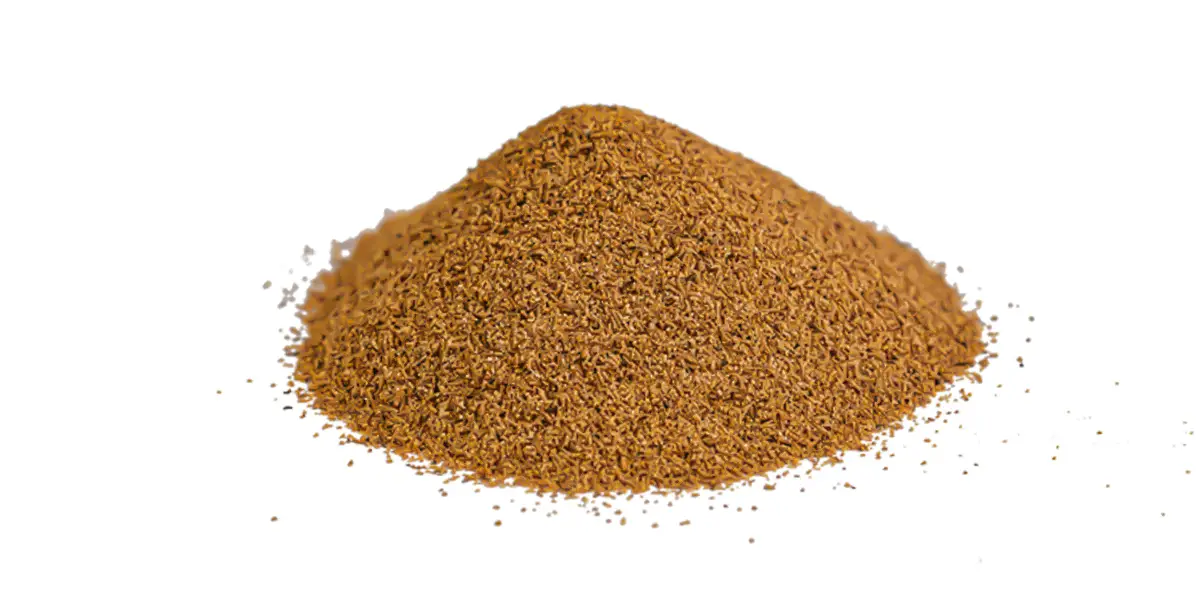
Calibrated; for soft-metal blasting and surface cleaning.
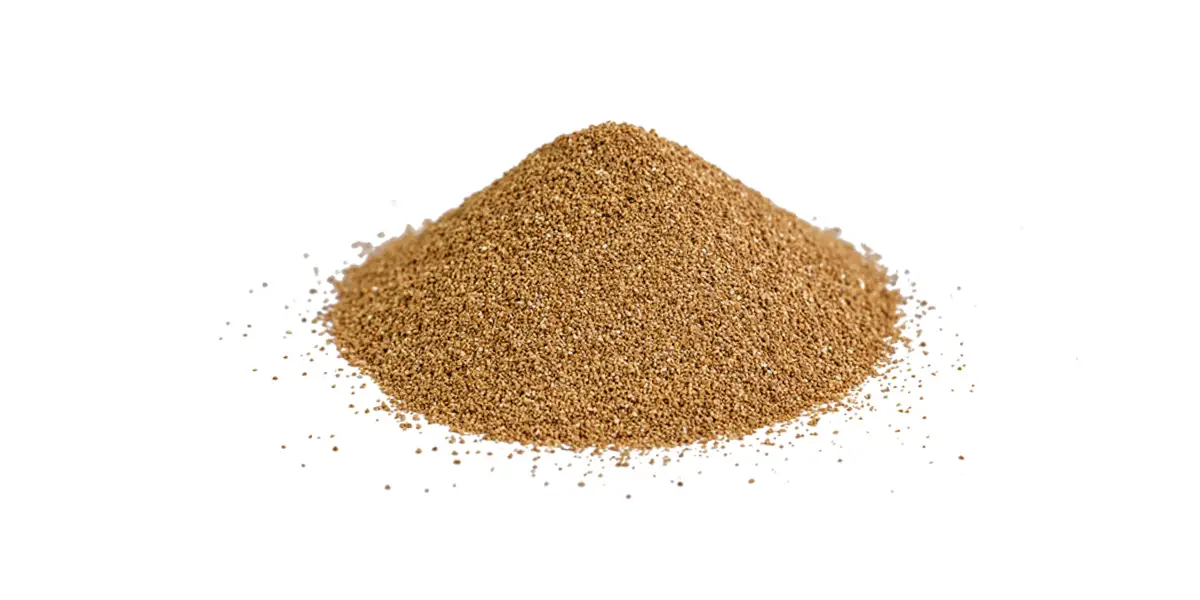
Microplastic-free alternative for cosmetic peeling and fine polishing.

Absorbent and abrasive; industrial cleaning and bedding applications.

Calibrated abrasive granule; for blasting and filtration.

Graded-hardness granule; surface-treatment applications.

Mild abrasive; for cosmetics and gentle cleaning.

High-hardness granule; heavy blasting and lapping.
Selection guide
Tell us what you need; let's narrow it down together.
Tell us what we needThe most useful information when we take a request isn't a figure — it's a sentence: what material, what dirt, what pressure, and what surface result you're after. Those three answers narrow hardness and calibre on our side. If you already work to a mesh range, send it too, but it isn't enough on its own — the same mesh at different hardness gives a very different result.
If you have your own grinding line, taking whole or cracked shell as raw input and keeping calibre in-house gives you flexibility; high-volume, regular consumers usually take this route. Without such a line, ready-made granule feeds straight into the machine with no intermediate step. Telling us this up front gets the quote from the right line item.
Heavy jobs (thick coating, stubborn rust, ship and tank surfaces) use peach kernel and walnut. Medium jobs (general blasting, surface prep) prefer hazelnut and pistachio. Delicate jobs (aluminum, brass, optics, electronics, scratch-sensitive surfaces) use almond, apricot kernel shell and sour cherry pit. If your job falls between two groups, we can send two samples together for high-volume requests.
When switching to a new abrasive, running the first application on a hidden test area heads off surprises you can't undo later — a grain that's right on paper can behave differently on your line. For serious-volume evaluations, a comparison via sample can also be arranged on request.
FAQ
Shell-based abrasives contain no crystalline silica — the cause of silicosis — and that is the concrete, verifiable reason this sector has moved away from silica sand. But that doesn't mean dust-free work: organic dust is still a respiratory load. Ventilation, dust collection and proper respiratory protection are standard practice when working with shell too. Removing the silica risk doesn't remove the need for safety measures.
Your line decides. With your own grinding capacity, you can take whole or cracked shell as raw input and set calibre in-house — that gives flexibility to high-volume, regular consumers. Without a grinding line, ready-made granule feeds straight into the machine. The two can also be combined in one shipment.
Yes, the heavy-end items are chosen for this job: peach kernel and walnut-based abrasives stand out for thick coating removal and stubborn rust. In hull and boat restoration, walnut shell granule is a more controlled option when the goal is stripping rust underneath while protecting the paint layer. Tell us the surface condition and target and we'll suggest the right band, confirming with a sample on high-volume requests.
On lines with a reclaim system, the grain cycles several times; we don't give a fixed figure because the exact count depends on the application, pressure and target surface. Organic abrasive works by breaking down, so a portion turns to dust with each cycle and needs a fresh batch as dust content rises. Costing on cycle count rather than a single-bag price gives a more realistic result.
We don't publish a fixed list, because these values change from batch to batch with the source, harvest and grinding — a published table doesn't represent the material that reaches you. Calibre is matched to buyer request; on request, a sample of the batch to be shipped is shared.
Domestically we deliver to workshops, shipyards and industrial plants by truck; the process is shorter, quantities more flexible, and the sample-approval step moves faster. Export brings in 20ft or 40ft HQ containers, standard Incoterms such as FOB/CIF, and a paperwork flow including the certificate of origin. Calibre matching works the same way on both sides; sample approval is added for high-volume requests.
Get a quote
Tell us your job and delivery point (domestic or export); we'll clarify the right product and terms together.
This site uses essential cookies and — with your consent — analytics cookies. For details, see Cookie Policy.