What Does 'First-Grade' Hazelnut Shell Actually Mean? Four Criteria Buyers Check
Hazelnut shell has no official grading certificate. In trade practice, first grade means four criteria: low dust, particle size, dryness and cracking-line freshness.
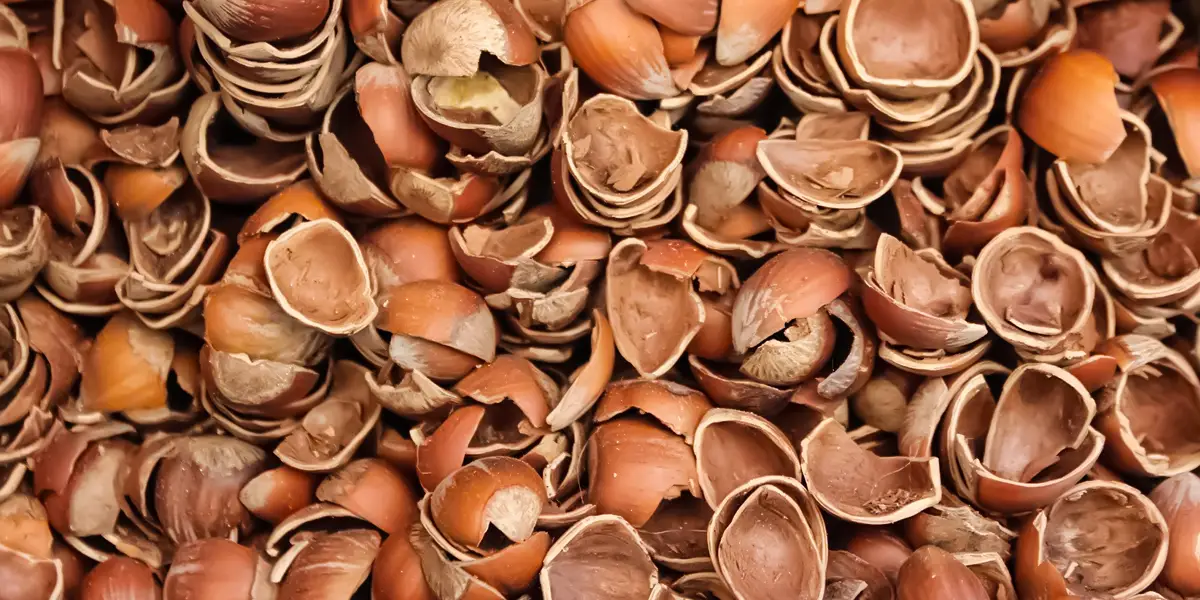
“Do you have first-grade hazelnut shell?” — that is usually the buyer’s opening question on the phone. The problem: hazelnut shell has no official quality standard. There is no grading certificate to show, no agreed size chart. Two traders can both say “first grade” and mean different things; most disputes in this trade grow out of that definition gap, not out of price.
This article explains what people in the shell trade actually look at when they say “first grade”. There are four criteria, and a lot that deserves the label meets all four together — if three hold and one does not, both sides should talk about it up front.
Criterion 1: Low dust and foreign matter
Dust hurts twice. First, it is the fraction you pay freight for but cannot burn; the dustier the bags, the less actual fuel the buyer gets for the same money. Second, in stoves and boilers dust burns fast and raises the ash load. Foreign matter — inner skin, spoiled kernel, the occasional stone — goes into the same account, because it directly affects ash and moisture behaviour during combustion.
Criterion 2: Particle size and intactness
Shell that leaves a well-run cracking line keeps its half-sphere shape. Large, intact pieces break up less during handling and burn more evenly. Crumbled shell, on the other hand, keeps turning into dust all the way to the destination — a load that looks clean on loading day can arrive dusty. Intactness is, in practice, the insurance policy behind the dust criterion.
Criterion 3: Dryness and moisture
Moisture adds weight in two places: in the material itself and on the road. Shell loaded damp reads heavy on the weighbridge but leaves the buyer with less heating value. A truck that waits uncovered picks up moisture along the way. Experienced buyers know this, which is why the real negotiation usually runs over weighing and moisture terms rather than price — details in the questions below.
Criterion 4: Freshness from the cracking line
The same shell is not the same product if it left the cracker in season versus sitting for months in an open pile. A standing pile draws moisture from below and collects dust on top, and the mould risk grows with waiting time. A lot sold as first grade is expected to be recently cracked material, loaded in its season rather than stored long.
Where “dust-free” comes from: source selection
This is the most misunderstood phrase in the market. Low dust is not the result of a later treatment; it is the result of source selection. Material loaded from a cracking plant that runs a tidy line and keeps the shell under cover comes out low in dust to begin with. That is how we answer a “dust-free” request — by not taking that lot from a source that turns out dusty material. Since each source’s output can change from one period to the next, we prefer to quote based on the current situation. For general product details, see the hazelnut shell page.
Season and lot integrity
Hazelnut cracking concentrates in autumn. Early in the season fresh shell is easy to find, while later in the year part of what the market offers comes from stored piles. The answer to the freshness question therefore changes with the period: in the abundant months there is room to be selective, while in tight months more sources have to be screened for the same quality. When “first grade” is being discussed, the month of the conversation matters almost as much as the definition itself.
The second point is lot integrity. When a truckload is completed from a single source, the gap between the sample and the delivered goods stays small. When shell from different sources is mixed on the same truck, all four criteria fluctuate within the load and it becomes unclear what the sample represents. When we quote, we plan which source a lot will be completed from with this in mind.
What actually gets negotiated: three questions
What happens if the scales disagree? The loading weighbridge slip travels with the truck; any gap against the destination scale is discussed first in terms of moisture. To keep that discussion from turning into a dispute, the weighing terms — which scale governs, what difference band is acceptable — should be fixed in writing before the order.
Which packaging does it come in? Loose bulk, big bags and sacks are all in use; which one fits depends on the buyer’s unloading setup and storage. The packaging decision also changes how much fits on a truck, so it belongs before the price conversation. We covered the pricing side separately in what drives hazelnut shell export prices.
Does waiting at the border hurt quality? In export loads the real risk is not the road but a waiting truck absorbing moisture. With a properly covered truck, a short wait causes no trouble; on longer waits the moisture criterion comes into play.
Instead of the word: a sample
“First grade” stays a marketing phrase until its definition is agreed. The sound approach is to go through the four criteria one by one and decide on a sample: a handful shows dust, particle size and dryness within minutes. Tell us your intended use and unloading setup in your enquiry, and we can put together a realistic offer based on the sources currently available to us.
